
Troubleshooting
Social media oversharing isn’t just about embarrassing posts—it can expose you to real-world risks. Even tech-savvy users often underestimate how easily personal details can be weaponized, from identity theft to stalking. These 10 dangers reveal the hidden threats lurking behind every share, like, or check-in.
Identity theft through location tags
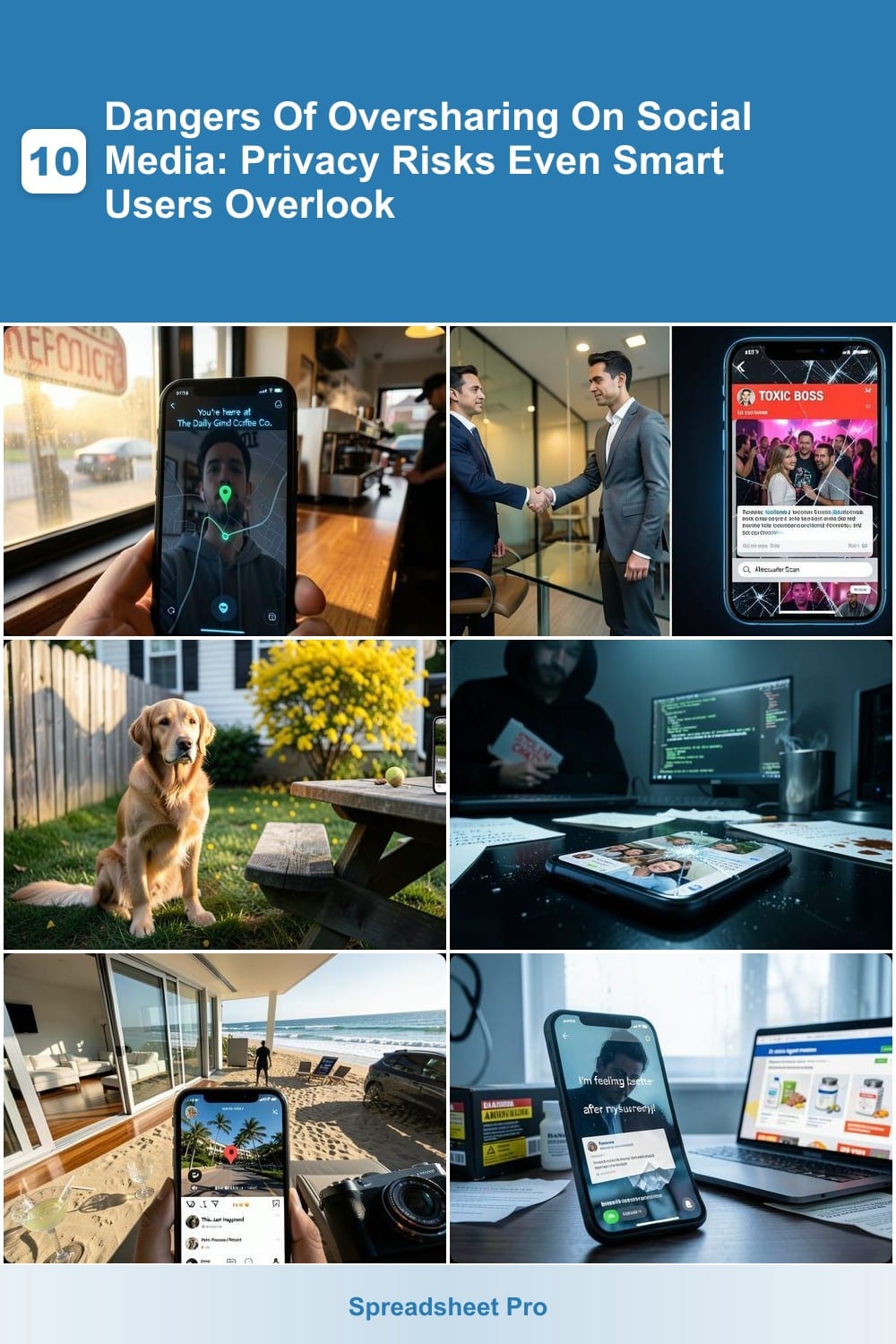
Your "check-in" to that morning coffee shop might seem harmless, but real-time location tags turn your social media into a live security camera for criminals. Apps like Facebook, Instagram, and Snapchat automatically log your movements, creating a digital trail that reveals when you’re home, at work, or on vacation—making you an easy target for burglars or scammers.
Burglars often monitor platforms for predictable patterns, like daily gym trips or weekend getaways, to strike when you’re away. Even "private" location data can be scraped or leaked—one exposed check-in is all a thief needs to plan a break-in. Worse, geotagged photos embed exact coordinates, turning public posts into a map of your life. Hackers and stalkers exploit this to track victims in real time.
This risk isn’t just for celebrities—small businesses, freelancers, and remote workers are prime targets if their routines are public. Before posting, ask: Would I share this with a stranger? If not, adjust your location settings to "Friends Only" or disable check-ins entirely. 💡
Job loss from unprofessional posts

Your dream job interview just landed—but your old rant about your previous boss or that party photo from college could still be lurking online. Recruiters and HR teams now use AI-powered tools to scan social media profiles, and 70% of hiring managers admit they’ve rejected candidates based on what they found.
Even a single controversial post from years ago can resurface during background checks, especially if it conflicts with a company’s values. Platforms like LinkedIn and Twitter/X have no "delete forever" feature—screenshots spread fast, and algorithms keep pushing old content. Worse, geotagged posts or public likes/comments can reveal biases or unprofessional behavior that hiring algorithms flag automatically.
Freelancers, remote workers, and candidates in competitive fields (tech, finance, healthcare) are at highest risk. Pro tip: Use platform-specific privacy audits—LinkedIn’s "Open to Work" feature, for example, can be misused by recruiters to dig deeper. 💻
Stalking enabled by pet photos

That adorable photo of your Golden Retriever, Max, might seem harmless—but predators use pet details as digital breadcrumbs to track your daily routines. A single post with your pet’s name, breed, and location can reveal when you’re home, your work schedule, or even your vacation plans.
Platforms like Instagram and Facebook often embed metadata (e.g., GPS coordinates) in pet photos, even if you disable location services. Criminals exploit this by cross-referencing pet names with local shelters, vet records, or even social media groups for specific breeds. One study found that 28% of stalking cases involved victims whose pets’ details were publicly shared online.
Pet owners, especially those with rare breeds, should avoid tagging locations or using pet names in usernames. A quick privacy audit—removing old posts and adjusting settings—can cut off this tracking trail. 🌟
Blackmail material from private messages
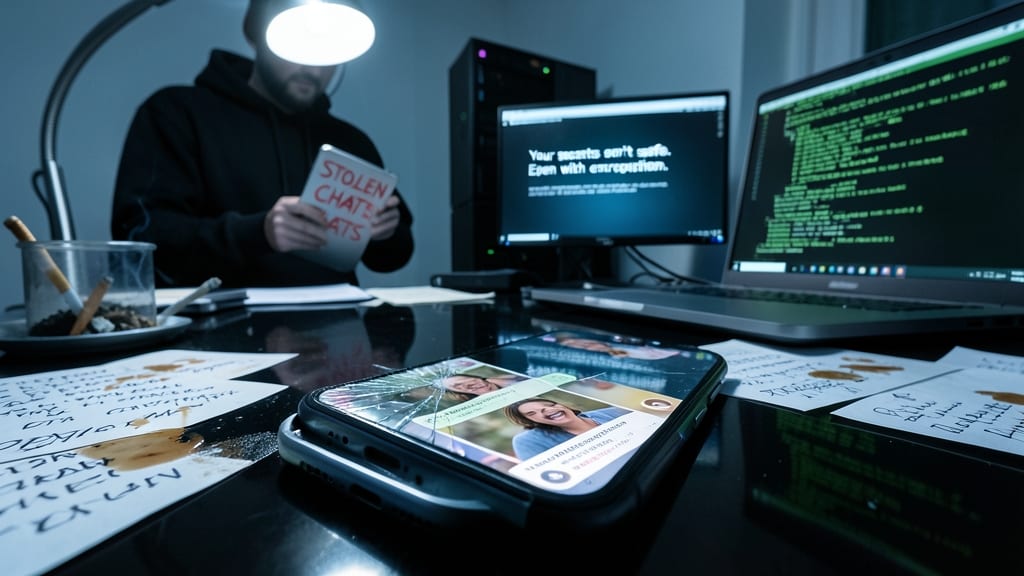
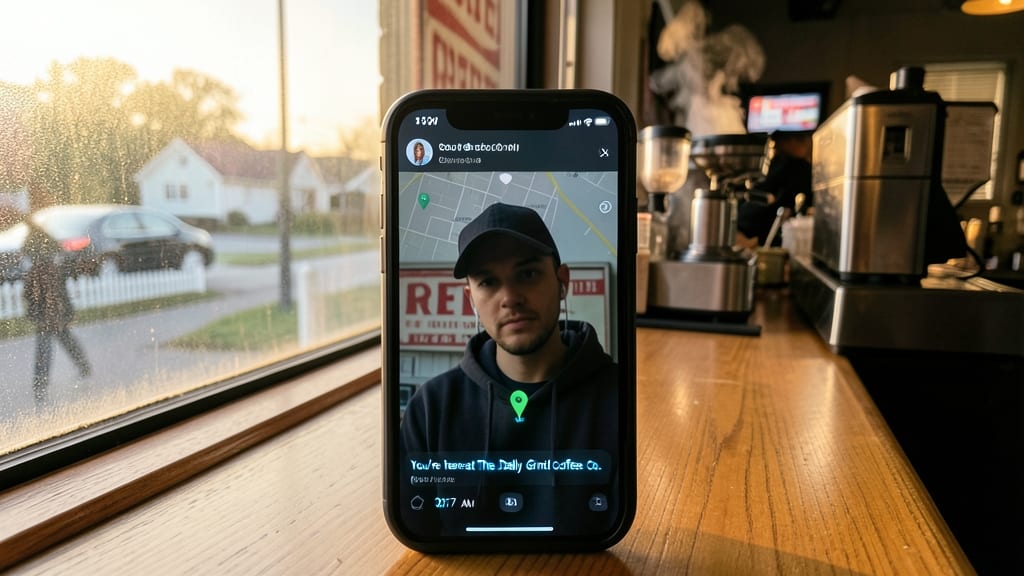
Your most private conversations might not stay private forever—even with end-to-end encryption. Hackers, malicious insiders, or compromised devices can still intercept or leak direct messages, turning embarrassing photos, financial details, or personal secrets into blackmail material or public shaming fuel.
Apps like Signal or WhatsApp offer strong encryption, but risks remain: device theft, phishing links in chats, or malware that logs keystrokes. A single leaked screenshot—whether from a hacked account, a disgruntled ex-partner, or a data breach—can resurface years later. Even "deleted" messages may linger in backups or screenshots shared with others.
This threat hits hardest for professionals, activists, or anyone with sensitive information. Always assume conversations could be exposed—verify recipients, use password-protected vaults for sensitive files, and enable message expiration when available. 💻
Travel scams from vacation updates
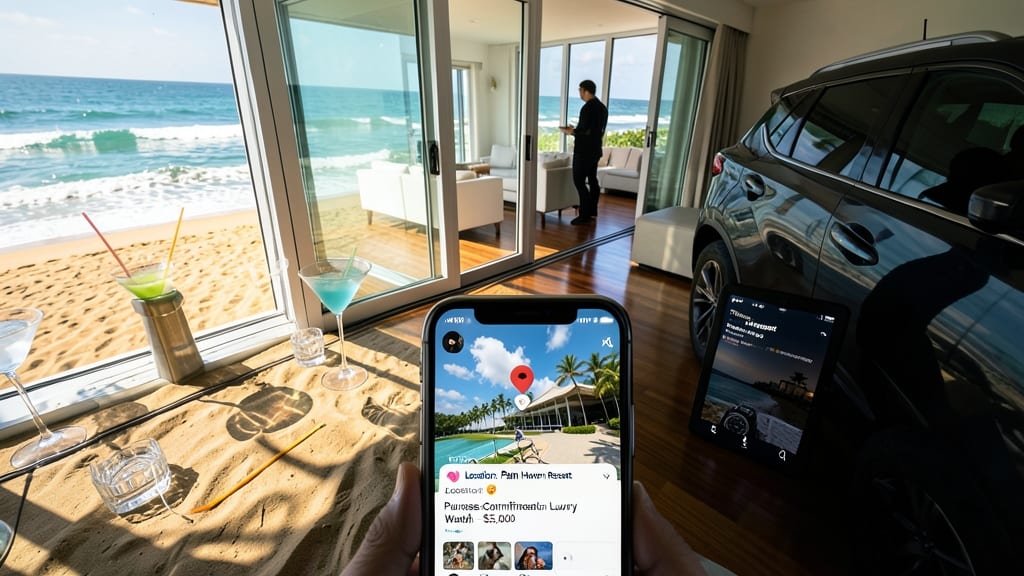
Your dream vacation could become a nightmare if your social media posts reveal too much. Criminals use real-time location tags and luxury purchase updates to target empty homes or high-value thefts—all while you’re sipping cocktails on the beach.
Burglars monitor platforms like Instagram and Facebook for check-in notifications or posts tagged at airports/hotels, timing break-ins when you’re away. Meanwhile, flashing expensive gadgets or designer bags in public posts makes you a prime target for pickpockets or resale scams. Even "discreet" Stories with timestamps can be screenshotted and shared with criminals.
Digital nomads and frequent travelers should wait until returning home to post, and avoid geotagging or mentioning specific locations. A simple 15-minute delay before sharing can make the difference between a safe trip and a stolen identity. ⚡
Medical fraud through health updates
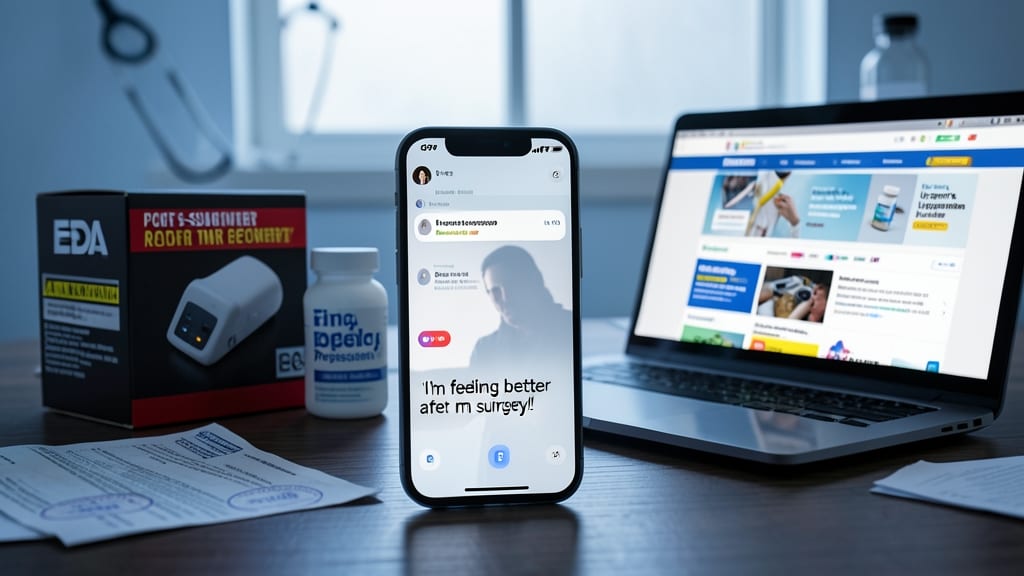
That "I’m feeling better after my surgery!" post might seem harmless, but it could trigger a wave of medical scams targeting you directly. Fraudsters monitor social media for health updates to sell fake medical devices, exploit insurance loopholes, or send phishing emails posing as doctors or pharmacies.
Once your diagnosis or treatment is public, scammers can craft hyper-targeted scams—like selling unapproved "miracle cures" or offering "free" medical consultations that require upfront payments. Even vague mentions of chronic conditions can attract healthcare identity thieves who file fraudulent claims using your personal details. The HHS reports that medical identity theft is the fastest-growing fraud type, with victims spending $13,000 on average to resolve cases.
Patients with rare diseases or those undergoing expensive treatments are especially vulnerable. If you must share health news, limit it to broad updates (e.g., "recovering well") and avoid medical jargon that could reveal specifics. Always verify unexpected health-related messages before clicking—one wrong link could expose your entire medical history. 💡
Financial loss from purchase bragging

That $2,000 gaming rig or designer handbag might feel like a flex, but it’s also a flashing neon sign for scammers. Every unboxing video, price tag reveal, or "just got this" post gives fraudsters the intel they need to exploit your financial habits—whether through credit card skimming or hyper-targeted phishing campaigns.
Criminals monitor platforms like Instagram, TikTok, and Facebook Marketplace for these posts, then use them to craft convincing scams. For example, a post about your new Apple Watch could trigger ads for "exclusive" repair services that steal your payment info. Even worse, some scammers reverse-image search your purchases to track resale trends and predict when you’ll be most vulnerable to financial scams.
If you love showcasing your tech or fashion finds, at least wait 24 hours before posting—give scammers less time to weaponize your excitement. And never share receipts or payment screenshots publicly. 💻
Legal liability from accidental confessions

That casual joke about "skipping work today" or bragging about "beating the system" might seem harmless—but in a courtroom, it could become self-incriminating evidence. Law enforcement and prosecutors actively monitor social media for digital breadcrumbs that tie individuals to crimes, even if the posts were deleted or meant as satire.
Platforms like Facebook, Twitter/X, and Instagram retain metadata and activity logs, which can be subpoenaed. A seemingly innocent comment—like admitting to "knowing a guy" who sells drugs or joking about "hacking into accounts"—has led to arrests in real cases. Even private messages can be seized under warrant, turning playful banter into legal liabilities.
This risk isn’t just for criminals—attorneys, journalists, and small business owners often face scrutiny over past posts. Before hitting "post," ask: Could this be twisted against me in court? 💻
Social engineering through family details

That innocent post about your kid’s first day at Harvard Elementary might seem harmless, but scammers use it to craft convincing impersonations. A single detail—like a child’s name, school, or even birthday—can be the key to bypassing security questions or tricking family members into handing over money or personal data.
Hackers often exploit this tactic by calling grandparents, claiming to be a teacher or coach in need of urgent payment for a school trip. Worse, they might use family details to reset passwords or access accounts tied to your identity. Even seemingly safe platforms like Facebook or Instagram can leak this data through metadata or third-party breaches.
Parents of school-aged kids should treat family details like passwords—never share them publicly. Double-check privacy settings on every platform, and consider using alias names or vague location references instead of exact details. 💡
Algorithmic discrimination from biased posts
Your strongly held opinions—whether political, religious, or health-related—might seem harmless, but they’re silently training AI systems to discriminate against you. Platforms like LinkedIn, dating apps, and even financial services use algorithmic profiling to filter users based on perceived risk, and your posts feed that bias.
For example, a 2022 study by the AI Now Institute found that job recruiters’ algorithms flagged candidates with "controversial" social media activity, reducing interview invites by up to 40%. Dating apps like Tinder have admitted to using political views to adjust match suggestions, while loan approval systems may deny credit based on inferred "lifestyle risks" tied to your posts. Even health discussions can trigger insurance-related red flags.
This isn’t just about getting unfriended—it’s about being automatically excluded from opportunities. If you wouldn’t share it with a stranger, assume an AI is watching. 💡