
Tip & Trick
Mastering keyboard shortcuts can drastically boost your productivity—but most users overlook the powerful symbols hidden in plain sight. These 10 'A'-starting keyboard symbols are game-changers for coders, writers, and power users who want to work smarter, not harder.
Alt Text Shortcut for Accessibility
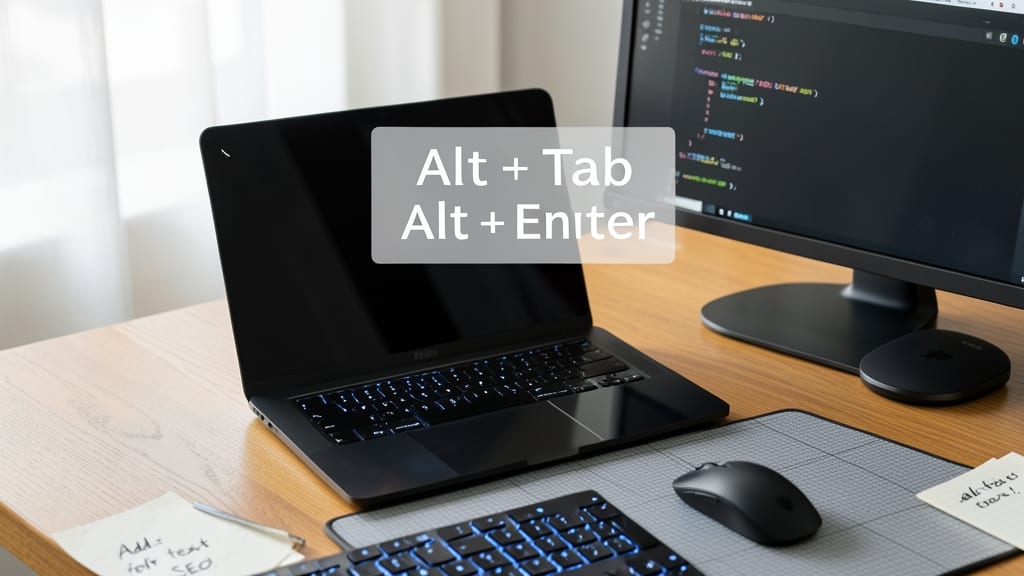
Ever wasted time hunting for the perfect image description? The Alt Text shortcut (often tied to Alt + Tab or Alt + Enter in editors) lets you add descriptive text for images in seconds—critical for accessibility compliance and SEO rankings.
Most modern platforms (like WordPress, CMS tools, or even social media) support this shortcut to pop up an alt-text field instantly. For developers, this means WCAG compliance without extra clicks, while content creators boost engagement by ensuring screen readers describe images accurately. Pro tip: Use semantic descriptions (e.g., "Blue circuit board with LEDs lit" instead of "image1.jpg").
This shortcut is a must for bloggers, developers, and marketers who prioritize inclusivity and search visibility. Master it, and you’ll save hours on manual edits while making your content more accessible. ✨
At Symbol (@) for Email Addresses

If you’re typing email addresses all day, the @ symbol is your secret weapon—especially when you’re juggling 50+ messages daily. Most keyboards hide it under Shift + 2, but mastering this shortcut can shave minutes off your workflow every day.
On QWERTY keyboards, press Shift + 2 to insert the @ symbol instantly. For Mac users, it’s Option + K (no Shift needed). Pro tip: Many email apps auto-fill the @ after your username, but typing it manually ensures accuracy in forms or documents where autocomplete fails.
This shortcut is a lifesaver for freelancers, marketers, and developers who send emails from templates or client portals. Speed up your replies without breaking focus—just type, then hit Shift + 2. ✨
Angle Brackets for HTML/Coding
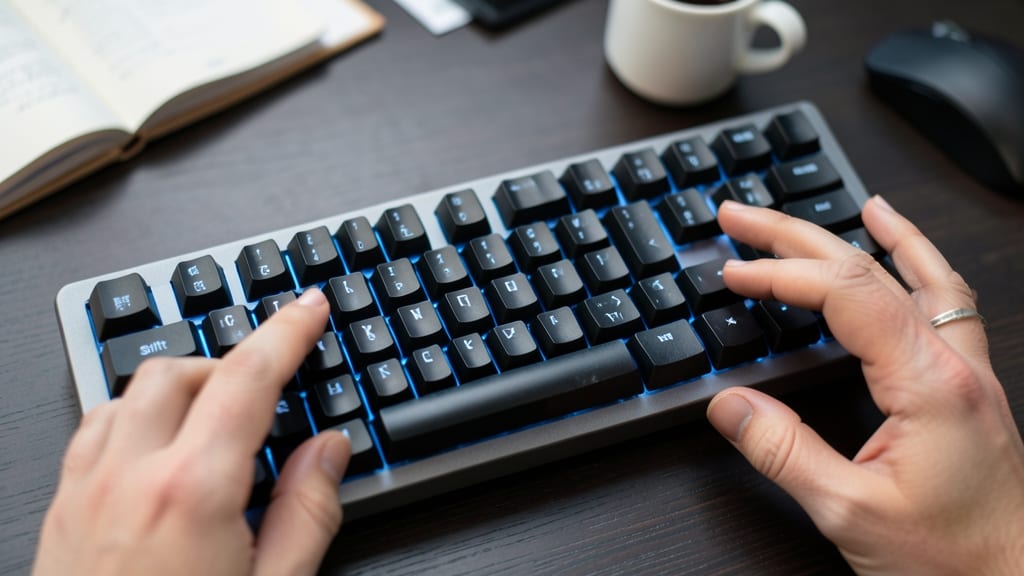
If you’ve ever spent precious seconds hunting for the angle bracket keys (< and >) on your keyboard, you’re not alone. These symbols are the backbone of HTML, XML, and CSS, yet many developers still waste time reaching for the shift key or digging through symbol menus.
On most keyboards, < lives on the comma key (Shift + ,) and > on the period key (Shift + .). Typing `
` repeatedly becomes effortless once you commit these to muscle memory. For VS Code users, extensions like Auto Close Tag even auto-complete closing brackets, but knowing the shortcuts first ensures you’re coding at peak speed.
This shortcut is a must-know for front-end developers, marketers using HTML emails, and even casual bloggers—anyone who writes code regularly. Mastering these two keys cuts down on distractions and keeps your workflow fluid. ⚡
Ampersand (&) for Legal/Technical Docs
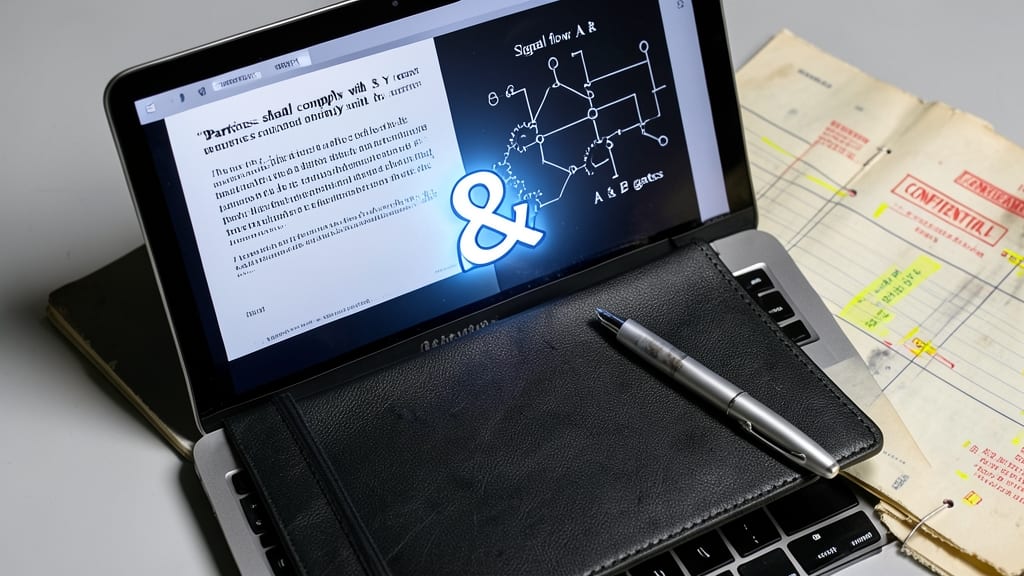
Drafting legal documents or technical manuals? The & (ampersand) symbol is your secret weapon for efficiency. Instead of typing "and/or" or "per" repeatedly, simply use &—a single keystroke that instantly conveys complex legal or technical relationships.
This symbol isn’t just for old-school contracts—it’s widely used in API documentation, software licenses, and data schemas to denote logical operators or combined terms. For example, replacing "John & Jane Doe" with just "John & Jane Doe" saves time while maintaining professionalism. Many legal professionals also use it to abbreviate terms like "per annum" to "per annum."
Perfect for lawyers, technical writers, and developers who frequently work with formal documentation, the ampersand streamlines workflows and reduces repetitive typing. ⚡
Arrow Keys for Navigation Shortcuts
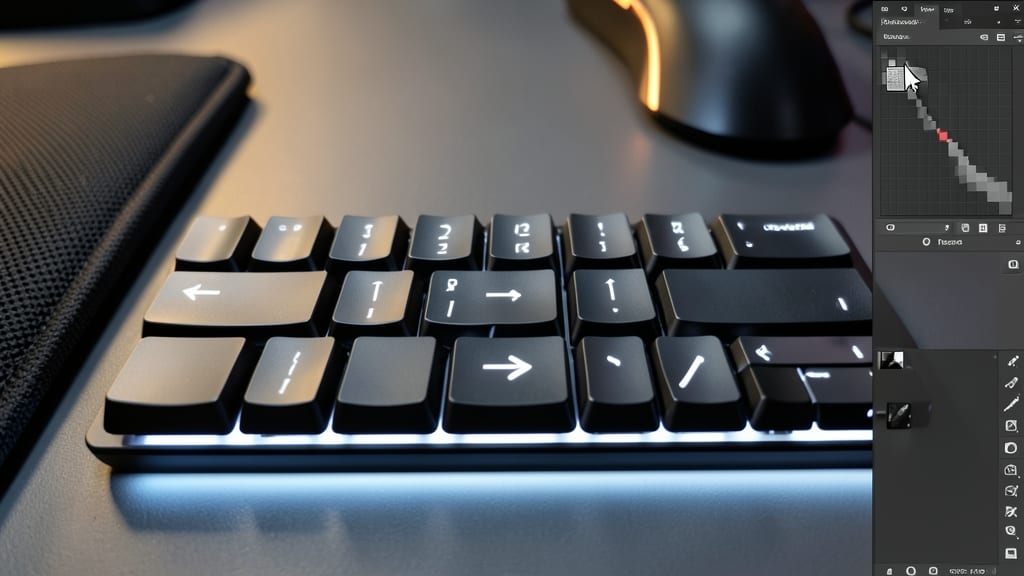
For gamers and designers, the arrow keys are the unsung heroes of precision—no mouse required. These four directional keys (↑, ↓, ←, →) let you navigate with millisecond accuracy, whether adjusting pixel-perfect designs in Photoshop or dodging enemies in a fast-paced FPS.
Most keyboards feature dedicated arrow keys on the right side, but compact models (like 60% or 65% layouts) require Fn combos (e.g., Fn+↑). Gamers often remap them to WASD for ergonomic control, while designers use them to nudge layers or zoom in/out. The Alt+Arrow shortcut even lets you snap objects to grids in apps like Illustrator.
If you spend hours in creative work or gaming, these keys are your silent productivity multipliers. ⚡
Accent Grave (`) for Programming
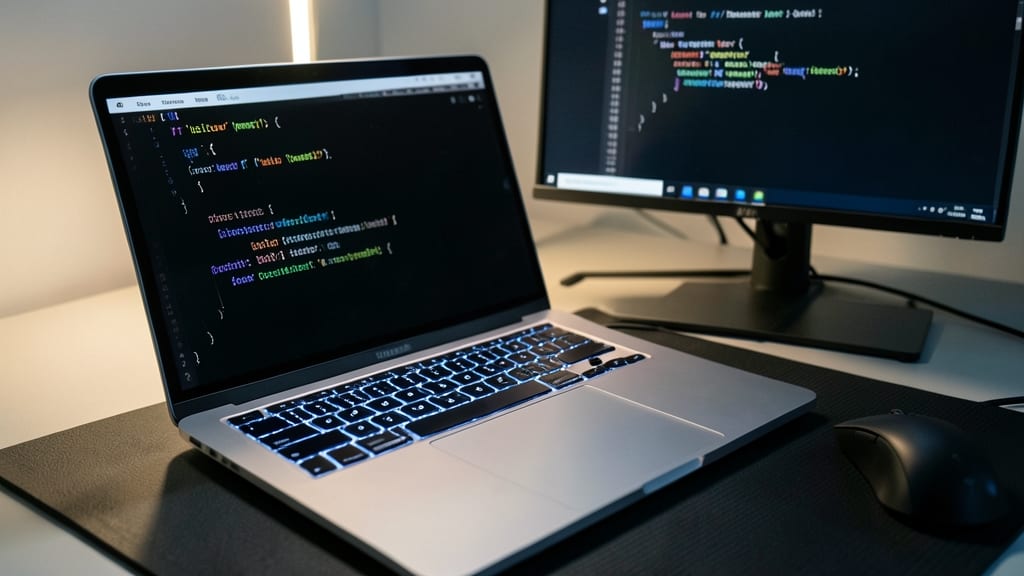
Ever struggled to type special characters in code or navigate Unix commands? The accent grave (`)—often called the "backtick"—is a developer’s secret weapon for handling everything from Python f-strings to Unix file paths.
In Python, it’s used for f-strings (f"Hello {name}"), making dynamic text insertion effortless. In JavaScript, it marks template literals (`` Hello ${variable} ``), while in Unix, it’s essential for command-line operations like `` ls `` or escaping special characters. Typing it is simple: press Shift + ` (usually top-left key) on US keyboards.
This tiny symbol is a must-know for coders—whether you’re scripting, debugging, or managing files. Master it, and you’ll save time every time you type. ⚡
Asterisk for Multiplication and Notes
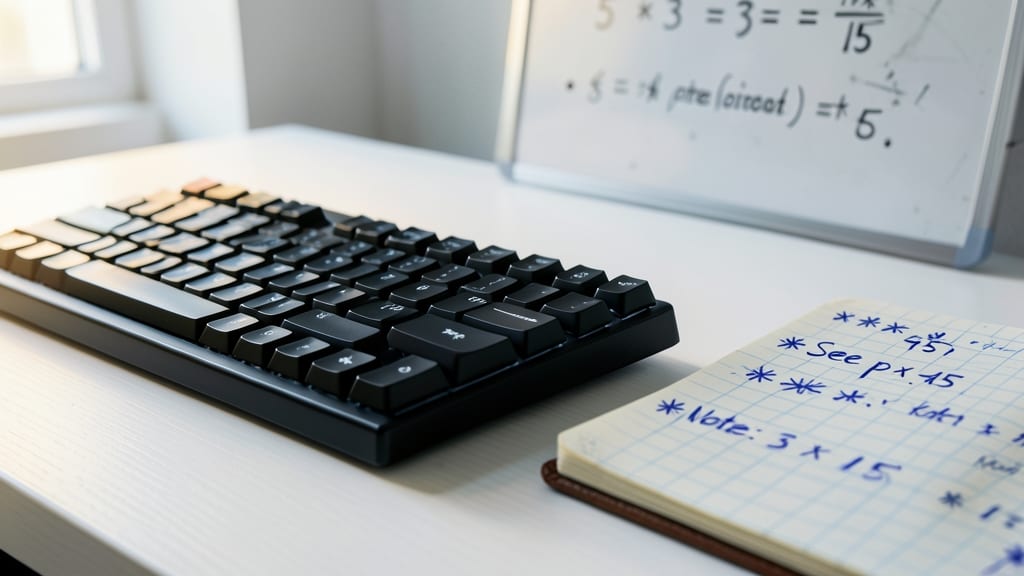
Need a symbol that does double duty? The **asterisk () isn’t just for multiplication—it’s also the go-to for marking important notes, footnotes, or placeholder text in documents.
In math, it’s the standard for multiplication (e.g., 5 3 = 15), while in writing, it signals footnotes, bullet points, or even wildcards in search queries. Typing it is easy—just press Shift + 8** on most keyboards. It’s also the backbone of regex patterns for developers.
Students crunching numbers, accountants reviewing spreadsheets, or project managers annotating docs will find this symbol indispensable. Whether you’re solving equations or organizing tasks, the asterisk keeps things clear and concise. ✨
Alphabetical Sorting with Alt+Shift
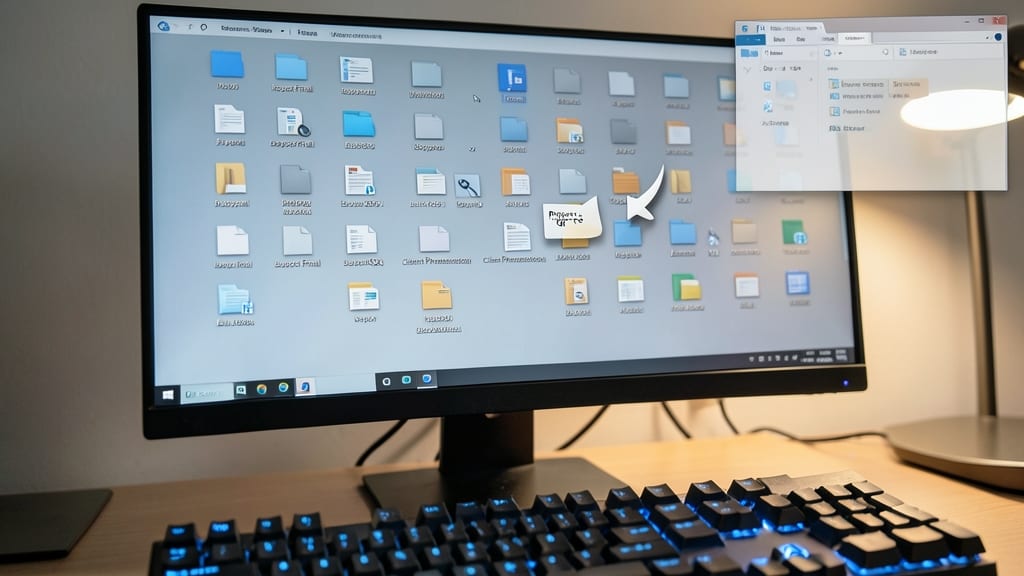
Tired of manually clicking "Sort by Name" every time your desktop turns into digital chaos? The Alt+Shift shortcut in Windows is your secret weapon for instant alphabetical order—no extra clicks required.
Simply press Alt+Shift while in File Explorer, and your files or folders will snap into alphabetical order instantly. This works in any folder view (icons, list, or details) and even applies to libraries like Documents or Pictures. No third-party tools or complicated settings—just pure efficiency.
Perfect for creatives managing project assets, developers organizing code files, or anyone drowning in a messy desktop. Try it once, and you’ll wonder how you ever lived without it. ⚡
Anchor Symbol (#) for Hashtags
The anchor symbol (#) isn’t just for Twitter—it’s a versatile tool that powers everything from programming comments to file naming conventions and database queries. While most users associate it with hashtags, developers and sysadmins rely on it for organizing code, labeling files, and even writing SQL queries.
In programming, # marks comments in languages like Python, Ruby, and Perl, while in Linux/Unix, it’s used for shell scripts and file permissions. Marketers use it for campaign tracking, and gamers recognize it as a quick-save shortcut in many titles. The symbol’s cross-platform consistency makes it a hidden productivity booster beyond social media. 🌟
Alt Codes for Special Characters
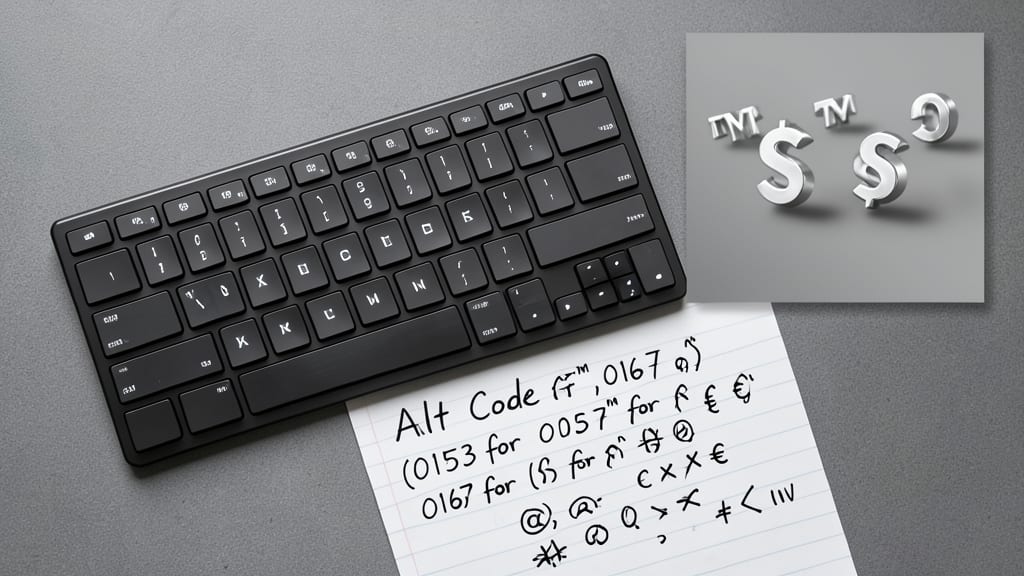
Tired of hunting for obscure symbols like ™ or §? Alt Codes let you type hundreds of special characters in seconds—no copy-pasting or hunting for rare fonts. Just hold Alt, type the code (e.g., 0169 for ©), then release. It’s the secret weapon for designers, linguists, and anyone drafting legal or technical docs.
Windows users can access thousands of Unicode symbols this way, from mathematical operators (∑, ∫) to currency signs (€, ¥). Pro tip: Use Alt + 0174 for the registered trademark ® or Alt + 0189 for the copyright ©—perfect for footers or branding. For Mac users, try Option + Shift + numbers for similar results.
This trick is a game-changer for resumes, contracts, or multilingual typing. No more switching apps or memorizing obscure shortcuts—just type and go. ✨