
Software
Microsoft is rolling out new Teams reminders features that can transform how you stay organized. These hidden menu tricks help you automate tasks, set deadlines, and never miss important updates—without leaving your workflow.
How to Set Up Smart Meeting Reminders
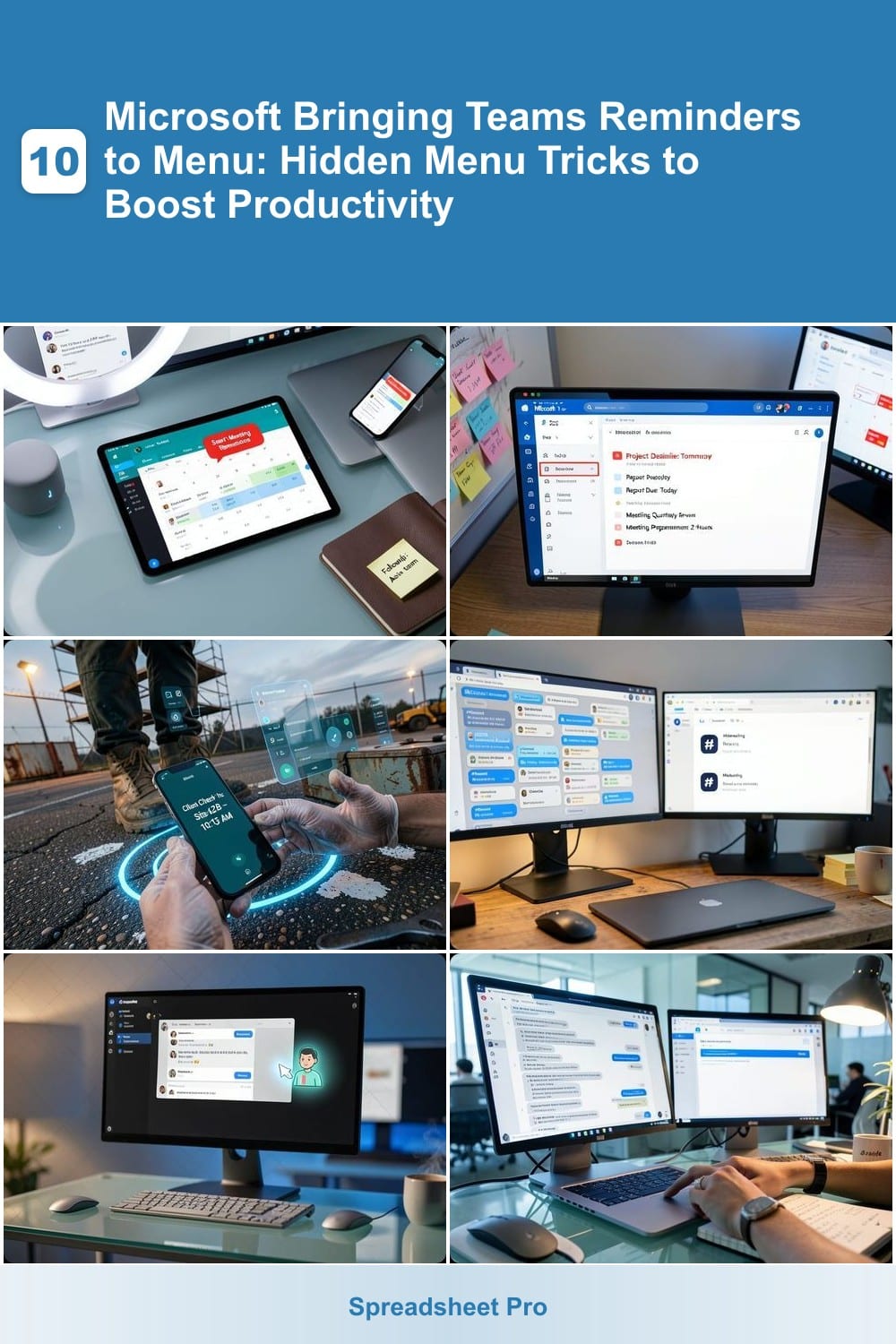
Tired of scrambling to remember last-minute meetings? Microsoft Teams’ new smart meeting reminders automatically sync with your calendar and send recurring alerts—no manual setup required. This feature is a game-changer for teams with frequent check-ins, hybrid schedules, or cross-timezone collaborations.
To get started, open the Teams app, click the three-dot menu in the top-right corner, and select "Reminders." Choose "Meeting Reminder" and link it to your Outlook Calendar for seamless sync. You can set recurring notifications (e.g., daily or weekly) and even adjust priority levels to ensure critical meetings stand out. The system also integrates with To Do, so deadlines and meetings appear in one unified view.
Perfect for remote teams, managers, or hybrid workers, this feature eliminates forgotten meetings and keeps everyone aligned—without the hassle of juggling separate apps. ⚡
Creating Task-Based Reminders with Due Dates
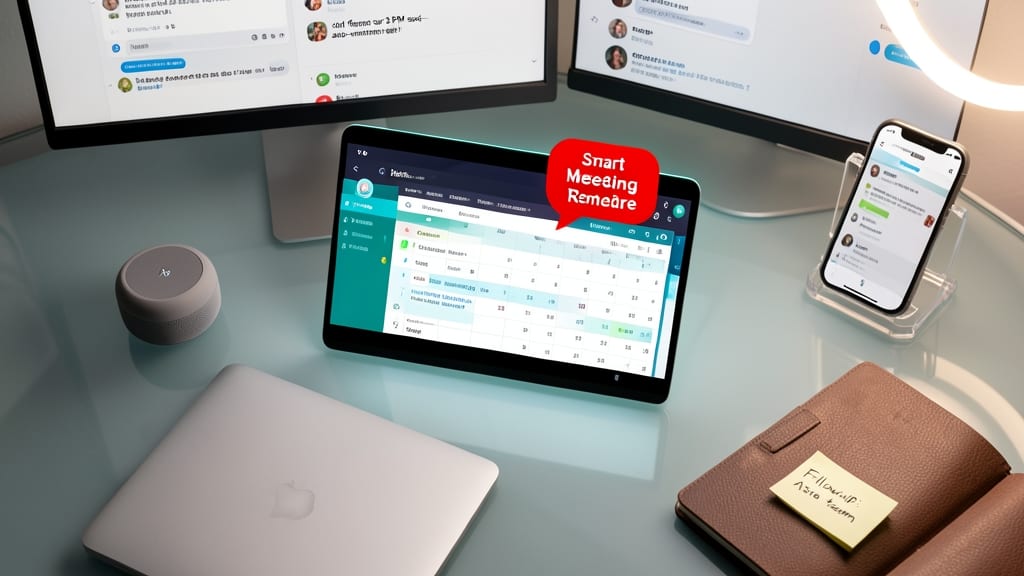
Struggling to keep track of looming deadlines across multiple projects? Microsoft Teams now lets you assign due dates directly to tasks—no more juggling sticky notes or separate to-do apps. The feature syncs seamlessly with the To Do app, ensuring deadlines appear in one unified view, whether you're in Teams, Outlook, or on the go.
To set it up, open the three-dot menu in Teams, select "Reminders," and choose "Task Reminder." Add your task, set a due date and time, and pick a priority level. The system automatically syncs with your To Do list, so deadlines stay visible across devices. You can even recur reminders (e.g., weekly reports) or assign them to teammates for shared accountability.
This is a game-changer for freelancers, project managers, and remote teams juggling tight deadlines. No more missed submissions or last-minute scrambles—just automated, deadline-driven focus. ✨
Setting Up Location-Based Reminders

Forget time-based reminders—location-based triggers in Teams let you automate actions based on your physical presence. Whether you’re a field technician arriving at a client site or a commuter leaving work, Teams’ geofencing feature ensures you never miss a critical task again.
Set up a reminder to pop up when you enter a 100-foot radius around your office, a job site, or even a coffee shop. The system uses your phone’s GPS (or Wi-Fi for indoor spaces) to detect arrivals/departures, then fires off customizable notifications—think "Check in with the team" or "Review today’s tasks." Best of all, it syncs with your Teams calendar to avoid conflicts.
This is a game-changer for remote workers, sales teams, and contractors who juggle multiple locations daily. No more manual reminders or forgotten follow-ups—just seamless, context-aware prompts. ✨
Customizing Reminder Notifications for Teams Channels
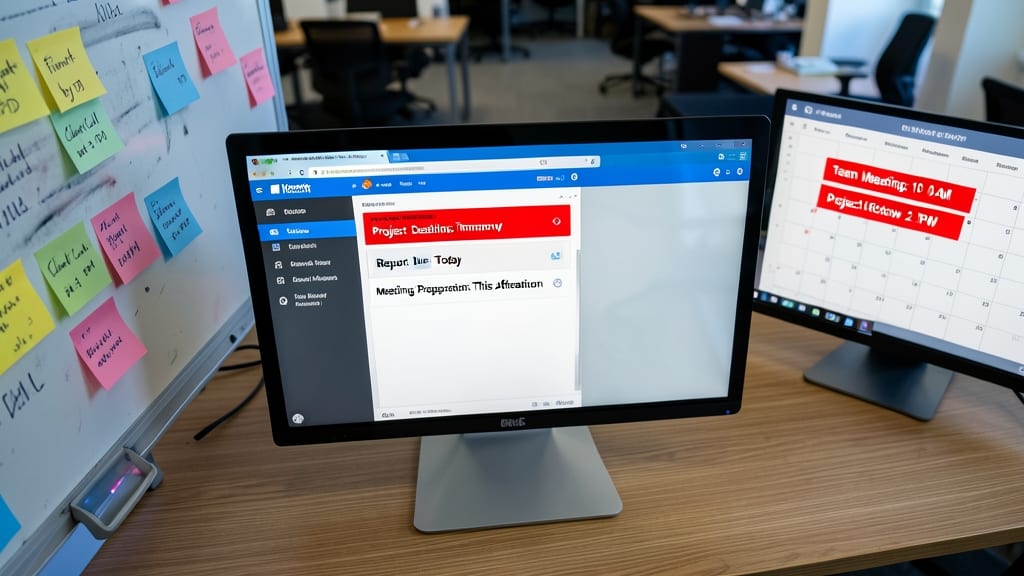
Drowning in notifications from every channel? Teams now lets you pin reminders to specific channels, so only the updates for #Marketing or #DevOps appear in your feed. This cuts through the clutter by filtering alerts based on where they matter most—no more ignoring urgent messages buried in unrelated chats.
To set it up, create a reminder as usual, then select the channel from the dropdown menu. You can even adjust notification frequency (daily, weekly) and priority levels (high/low) per channel. The feature syncs with Outlook and To Do, so deadlines stay visible across tools without extra effort.
Perfect for cross-functional teams juggling multiple projects—like product managers coordinating with engineers and designers. Focus on what’s relevant without the distraction of irrelevant pings. ✨
How to Share Reminders Across Teams
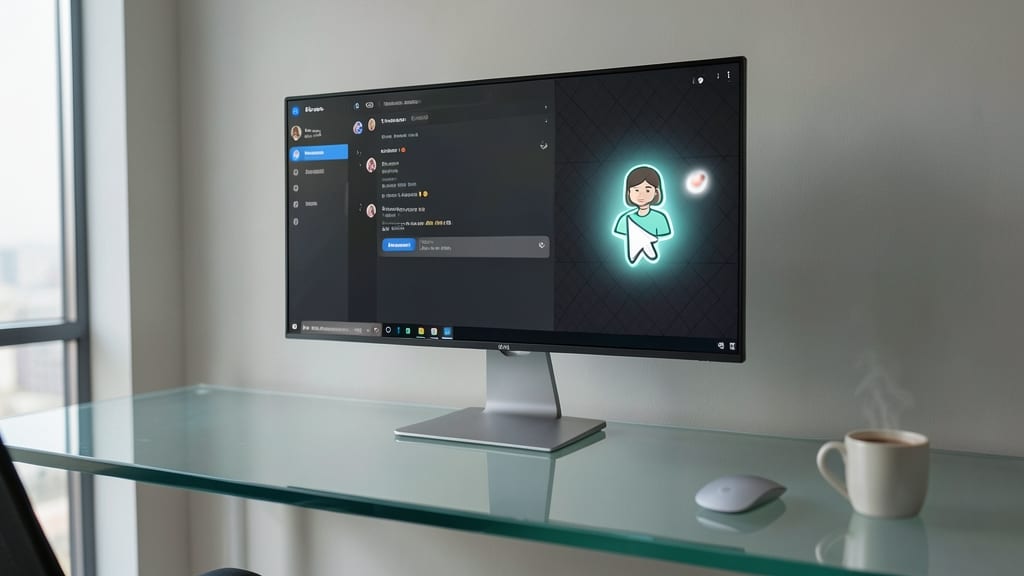
Tired of chasing down team members for follow-ups? Microsoft Teams now lets you share reminders directly with colleagues, turning passive updates into actionable tasks with built-in accountability.
When you create a reminder, simply click "Assign" to delegate it to a teammate—just like tagging someone in a chat. The system tracks their "Acknowledged" status, so you’ll know who’s seen it and when. You can even add due dates and priority labels (Low/Medium/High) to match your workflow. Best of all, responses sync back to your original reminder, keeping everything in one place.
This feature shines in cross-functional teams where tasks require multiple hands—like marketing campaigns or product launches. No more email threads or lost Slack messages! 💪
Using Reminders to Track Follow-Ups

Sales teams and customer support agents often lose momentum when critical discussions get buried in chat threads. Microsoft Teams’ new follow-up reminders turn those conversations into actionable tasks with a simple tag—no manual note-taking required.
To use it, highlight a message in a chat, click the three-dot menu, and select "Remind me" with an optional follow-up tag (e.g., "Call back" or "Follow up"). The reminder syncs with your To Do list and includes the original context, so you never miss a beat. You can even assign it to a teammate to ensure accountability.
This feature shines for teams handling high-volume chats where follow-ups are time-sensitive. No more digging through old threads—just one-click reminders that keep critical conversations top of mind. 💡
Automating Reminders with Power Automate
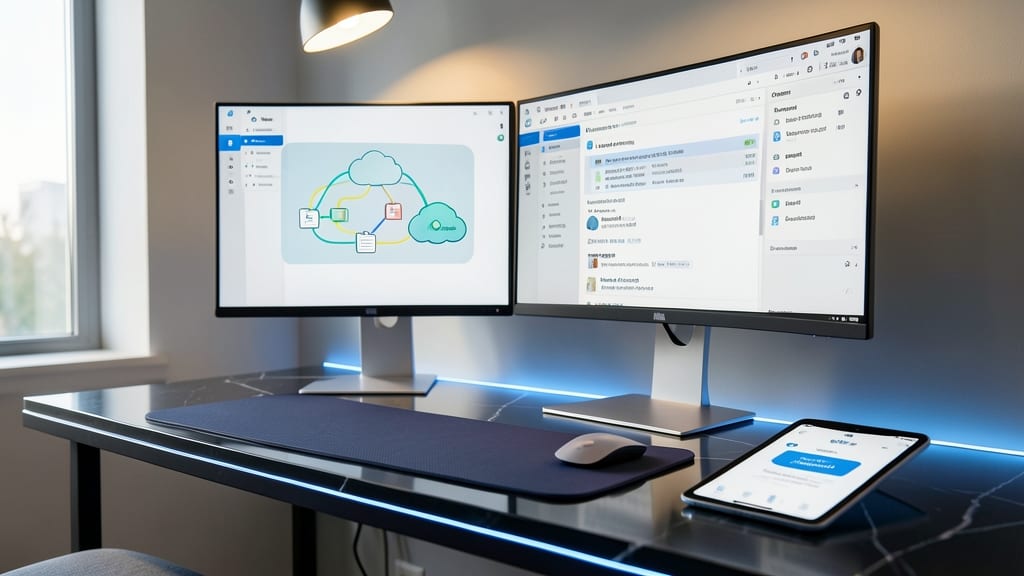
Tired of manual reminders that feel like busywork? Power Automate turns your Teams reminders into smart, self-running workflows—no coding required. This integration lets you trigger reminders automatically when files are updated in SharePoint, emails hit your inbox, or even when specific keywords appear in chats.
With Power Automate’s visual flow builder, you can set up rules like "remind me when a project file is edited after 5 PM" or "alert the team when a support ticket exceeds 24 hours." The platform connects seamlessly with 300+ Microsoft and third-party apps, so your workflows stay flexible. For example, a developer could auto-generate a reminder when a GitHub pull request is approved, while a marketer might trigger alerts for social media post deadlines.
This is the ultimate tool for power users and IT admins who want to eliminate repetitive tasks. Whether you're managing complex projects or just want reminders to work smarter, this automation supercharges Teams beyond basic alerts. ✨