
Software
Microsoft Word 2010’s interface holds powerful tools that most users overlook. Mastering these 10 key parts—from the Ribbon to hidden navigation bars—will transform your productivity and unlock advanced features you never knew existed.
Quick Access Toolbar Customization
Tired of wasting seconds hunting for the Save or Undo button every time you make a typo? The Quick Access Toolbar in Word 2010 is your secret weapon—a customizable strip of shortcuts that lives above the Ribbon, putting your most-used commands just one click away.
By default, it includes Save, Undo, and Redo, but you can add any command—from Track Changes to Zoom—by right-clicking the Ribbon’s tabs. Need to access Quick Print or Spelling & Grammar instantly? Drag them into the toolbar. Pro tip: Pin frequently used commands to the top for permanent visibility, or reset it to defaults with a single click in Word Options. This tiny toolbar can shave minutes off your workflow daily.
Perfect for freelancers, legal editors, or anyone drowning in repetitive edits, this feature turns Word into a personalized powerhouse. No more Ribbon-hopping—just pure speed. 💪
Office Button and Backstage View
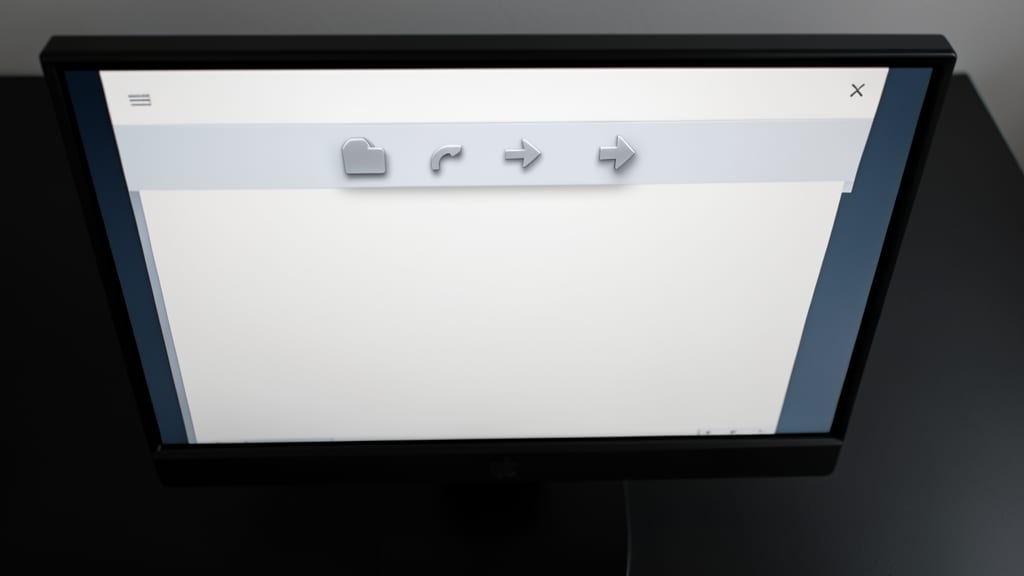
Ever wasted time hunting for the Save button or printing a document only to realize you forgot to name it? The Office Button in Word 2010 is your command center for these essential tasks—and it’s often overlooked in favor of the Ribbon’s flashier tools.
Clicking the Office Button (top-left corner) opens the Backstage View, a hub for document management. Here, you’ll find one-click access to Save, Save As, Print, and Share options, plus tools for opening recent files or creating new documents from templates. The Prepare section lets you add a digital signature, check document properties, or even inspect for hidden metadata before sharing. For power users, the Options link unlocks deep customization of Word’s behavior.
This is the first stop for freelancers, legal professionals, or anyone juggling multiple documents daily. Mastering it cuts down on last-minute panics and streamlines your workflow—no more guessing where to save or print. 💡
File Tab Navigation Pane
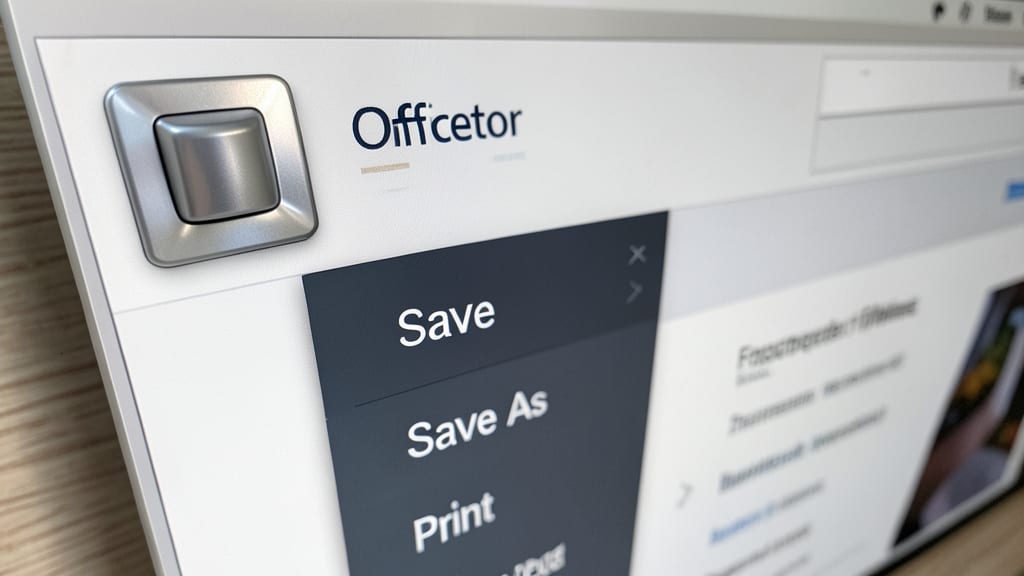
Tired of digging through folders or hunting for that one document buried in your "Downloads" folder? The File Tab Navigation Pane in Word 2010 is your lifeline for instant access to recent files, templates, and cloud storage—all in one organized view.
With this pane, you can quickly locate your most recently opened documents without searching, pin frequent templates (like contracts or resumes) for one-click access, and even connect to OneDrive or SharePoint for seamless cloud collaboration. The search bar filters results instantly, while the folders panel lets you browse by categories like "Recent," "Templates," or "Documents."
Perfect for freelancers, project managers, or students juggling multiple files, this feature cuts navigation time by 70%. No more tab-switching chaos—just a clean, centralized hub for your workflow. 💻
Home Tab: Clipboard and Font Group
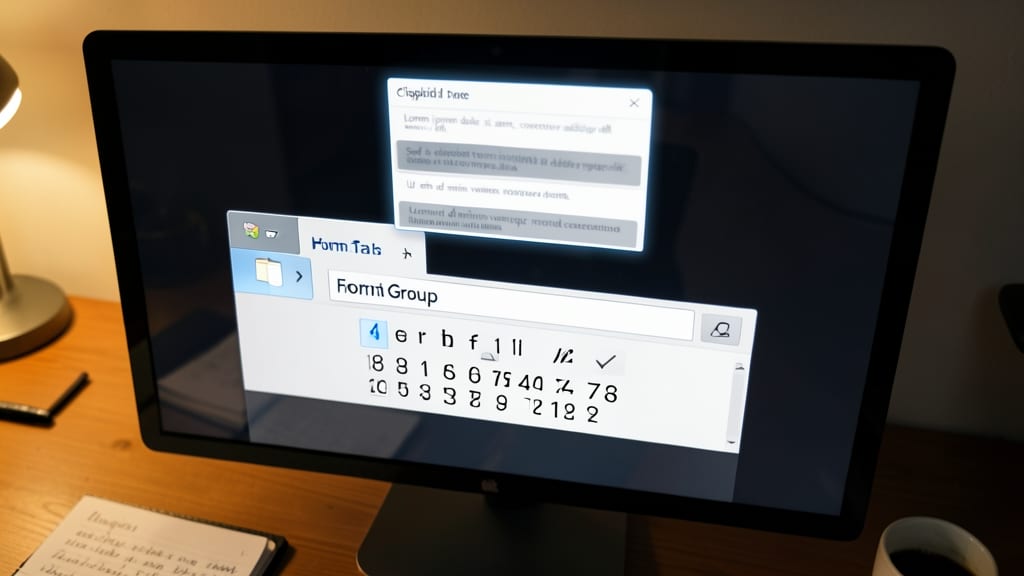
If you’ve ever spent more time hunting for copied text or adjusting font sizes than actually writing, the Home Tab in Word 2010 is your lifesaver. This is where the Clipboard and Font Group live—the dynamic duo behind seamless text manipulation, ensuring your workflow stays smooth and efficient.
The Clipboard lets you copy up to 24 items at once (yes, really!) and paste them in any order, while the Font Group gives you instant control over font styles, sizes, and effects—no manual formatting required. Need to quickly switch between Calibri 11pt and Arial Bold? Or paste a paragraph from a research document into your essay without losing formatting? These tools handle it all in seconds.
Students, marketers, and office workers who juggle multiple documents daily will love how this tab cuts down on repetitive clicks. Master it, and you’ll wonder how you ever lived without it. ⚡
Insert Tab: Tables and Illustrations
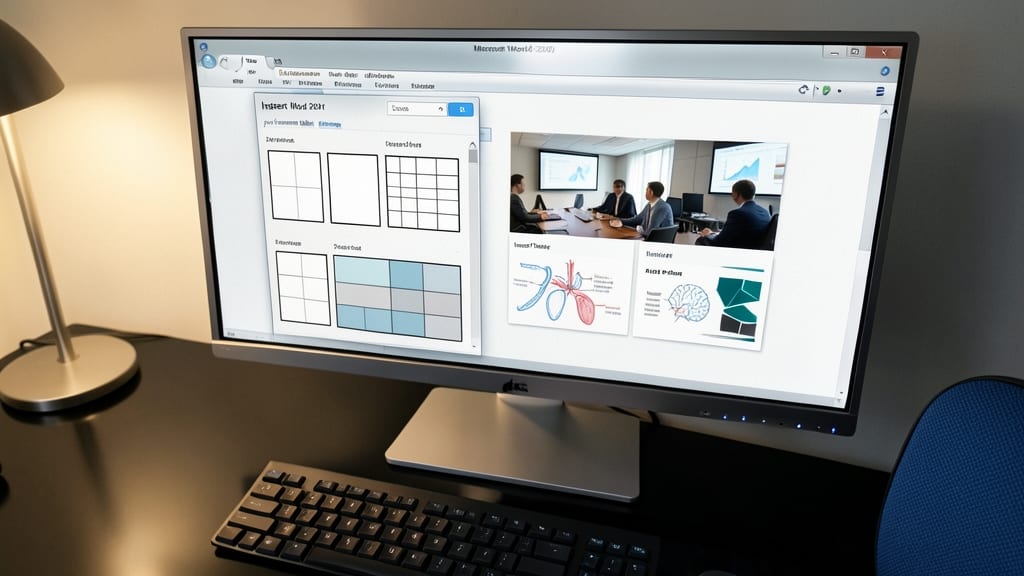
Tired of spending hours manually formatting tables or hunting for the right image in your reports? The Insert Tab in Microsoft Word 2010 is your secret weapon for effortless visuals.
With just a few clicks, you can insert pre-formatted tables (from simple 2x2 grids to complex layouts with merged cells) or add charts using built-in templates like column, pie, or line graphs. The Pictures and Shapes groups let you embed images directly from your files or draw custom shapes—no extra software needed. For presentations, the Online Pictures option even pulls stock images straight from Bing.
This tab is a game-changer for marketers, educators, and professionals who need polished documents fast. Skip the formatting headaches and let Word handle the heavy lifting. ✨
Page Layout Tab: Margins and Orientation
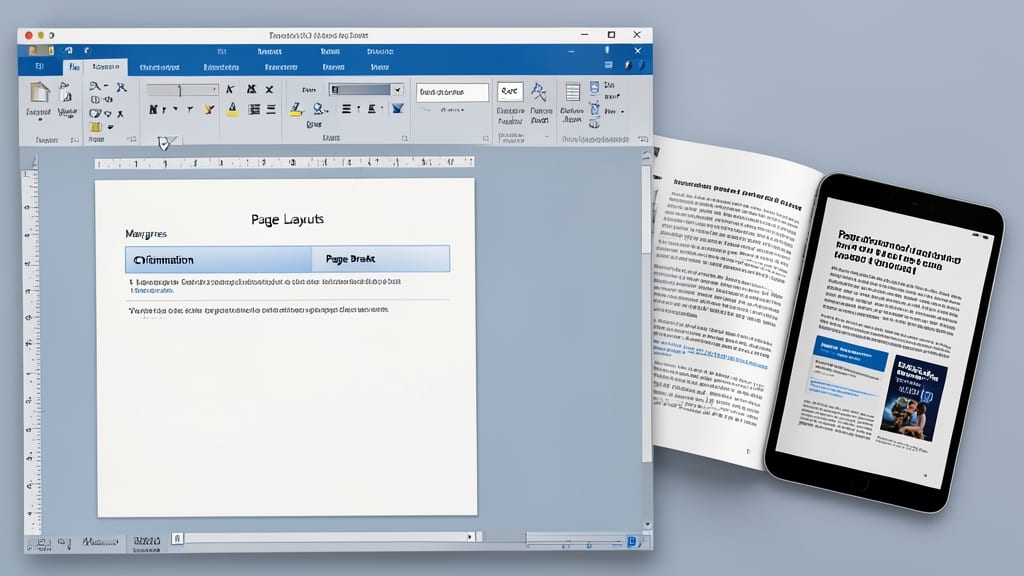
Need to ensure your brochure prints perfectly or your eBook displays flawlessly? The Page Layout Tab in Word 2010 is your control center for margins, orientation, and page breaks—critical adjustments that prevent awkward cropping or misaligned content.
Here, you can tweak normal, wide, or narrow margins with a single click, switch between portrait and landscape orientation for posters or spreadsheets, and even insert manual page breaks to force content onto new sheets. The Size dropdown lets you pick pre-set dimensions like letter, A4, or legal, while the Columns tool transforms single-column text into multi-column layouts—ideal for newsletters or academic papers.
Perfect for designers, educators, and small business owners who need polished documents without manual formatting headaches. Skip this tab at your own risk—it’s where professional layouts begin! ✨
Review Tab: Track Changes and Comments
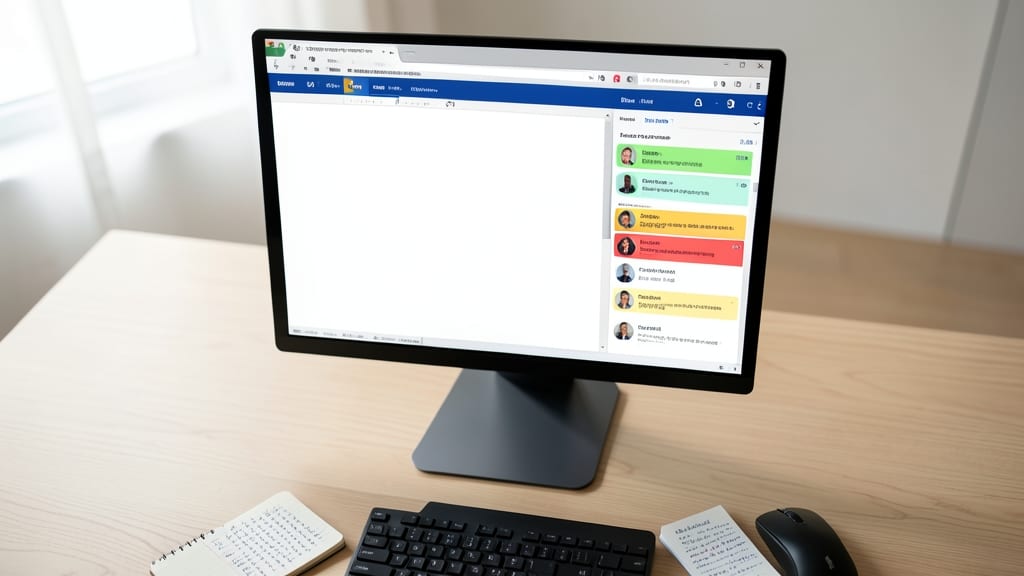
Collaborating on documents just got smoother with the Review Tab—your secret weapon for tracking edits and feedback without losing track of revisions. Whether you're working with clients or teammates, this tab turns messy drafts into polished final versions with minimal back-and-forth.
Enable Track Changes to highlight edits in real-time, then use Comments to leave targeted feedback directly in the text. The Accept/Reject Changes panel lets you review modifications side-by-side, while the Compare feature merges multiple versions effortlessly. For legal or academic documents, the Restrict Editing tool ensures only approved users can make changes.
Perfect for freelancers, editors, and team leads managing client revisions or internal reviews, this tab cuts revision cycles by 50%. 💡
View Tab: Zoom and Layout Options
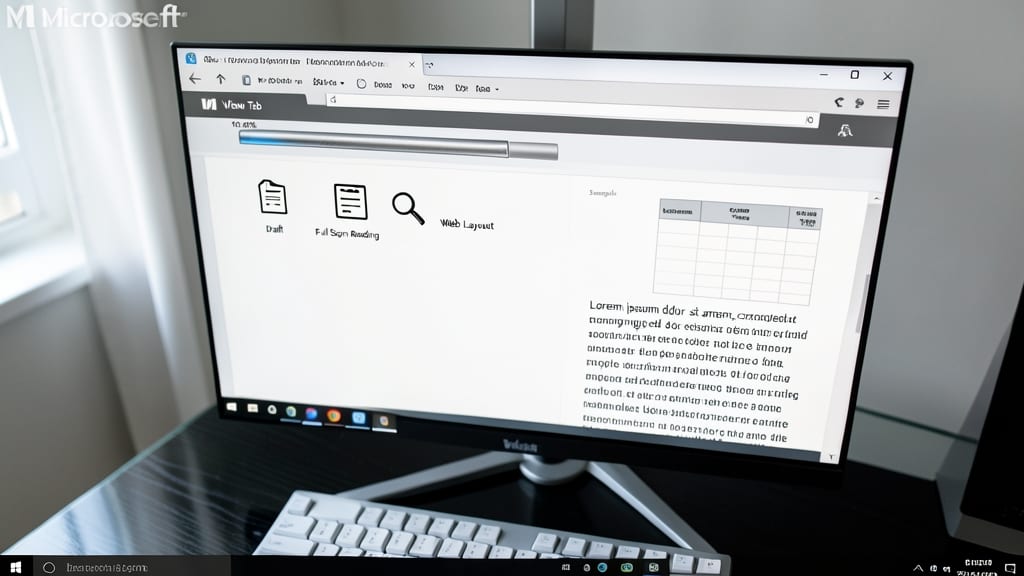
Struggling to spot typos in dense paragraphs or fine-tune a table’s alignment? The View Tab in Word 2010 is your precision control center, offering zoom levels from 10% to 400% and three distinct viewing modes tailored to your workflow.
Adjust the Zoom slider to magnify text or shrink sprawling documents into a single screen. Switch between Draft Layout (clean, distraction-free editing), Print Layout (accurate page previews with margins), or Web Layout (simulated browser view) with a single click. Need to focus on a specific section? The View Ruler and Gridlines options further refine alignment and spacing.
Graphic designers, legal professionals, and anyone editing complex documents will appreciate how these tools eliminate guesswork. A quick toggle keeps your workspace optimized for the task at hand. ✨
Developer Tab: Hidden XML and Macros
If you’ve ever wished Word could do something it wasn’t designed for—like automating repetitive tasks or tweaking document structures—you’re about to discover your secret weapon. The Developer Tab in Word 2010 is where XML editing and VBA macros live, transforming Word from a simple editor into a customizable powerhouse.
Here, you can dive into the document’s underlying XML code to manually edit formatting or structure, or write VBA macros to automate workflows like inserting boilerplate text or generating reports. The Macros group lets you record actions (e.g., formatting a table) and replay them with a single click, while the XML tools give you granular control over document properties—ideal for generating invoices, contracts, or technical specs.
This tab is a game-changer for developers, legal professionals, or anyone who needs to push Word beyond its limits. Just be sure to enable it first in Word Options > Popular if it’s missing! 💻
Status Bar: View and Navigation Controls
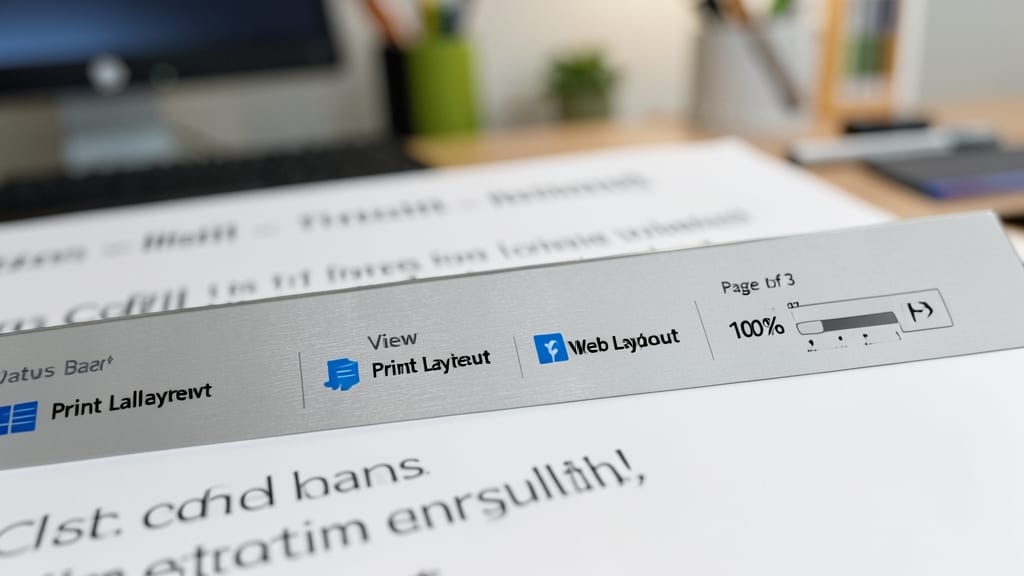
Tucked away at the bottom of the Word 2010 window, the Status Bar is your secret weapon for instant navigation and view control. While many users ignore it, this slim strip packs powerful tools to switch between document views and locate content faster than ever.
Click the View buttons (Print Layout, Web Layout, or Draft) to instantly adjust how your document appears—no need to dig through menus. The Find tool lets you jump to specific page numbers or search terms with a single click, while the navigation pane (accessed via the Navigation button) helps you browse headings and pages effortlessly. You can even customize what appears here to show page numbers, word count, or language settings for quick reference.
Perfect for legal professionals, editors, or anyone working with long documents, this bar saves time by keeping essential tools within reach. Master it, and you’ll breeze through document reviews and formatting tasks. ✨